Planning Your Visit to the Cliffs of Moher
Best times to visit, accessible pathways, facilities available, and what to expect at this iconic Irish destination.
Getting There and When to Go
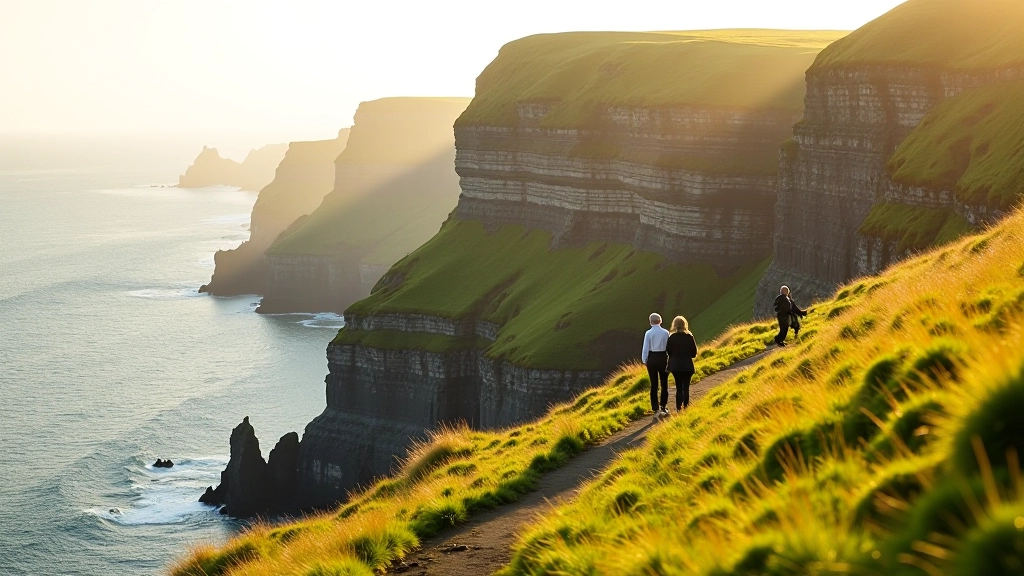
The Cliffs of Moher stretch for nearly 14 kilometers along County Clare's southwestern coast. They're stunning year-round, but timing makes a real difference. You'll find the best conditions between May and September when the weather's most reliable and daylight stretches into the evening.
Spring brings wildflowers along the cliff edges and nesting seabirds — it's genuinely special if you're patient enough to watch. Summer means more visitors, sure, but also the longest days for exploring. Autumn offers that crisp air and dramatic skies photographers love. Winter? It's quieter and moody, though winds can be fierce and paths become slippery.
The visitor center sits right at the main access point, just outside the village of Doolin. If you're coming from Galway, it's about 45 minutes by car. From Limerick, you're looking at roughly an hour's drive. Parking fills up quickly on peak summer days, so arriving before 10 a.m. really does help.
Accessible Routes and Walking Options
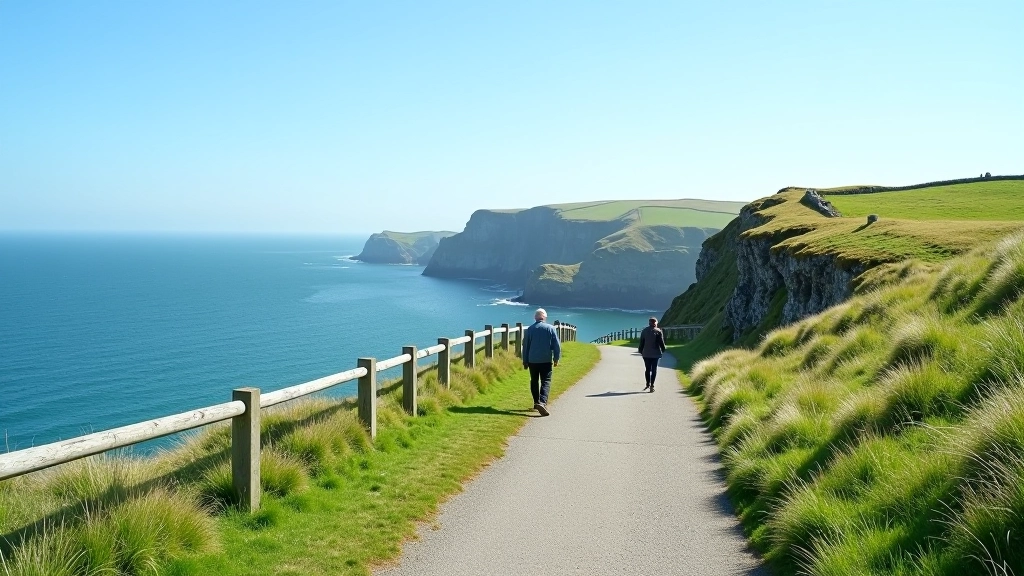
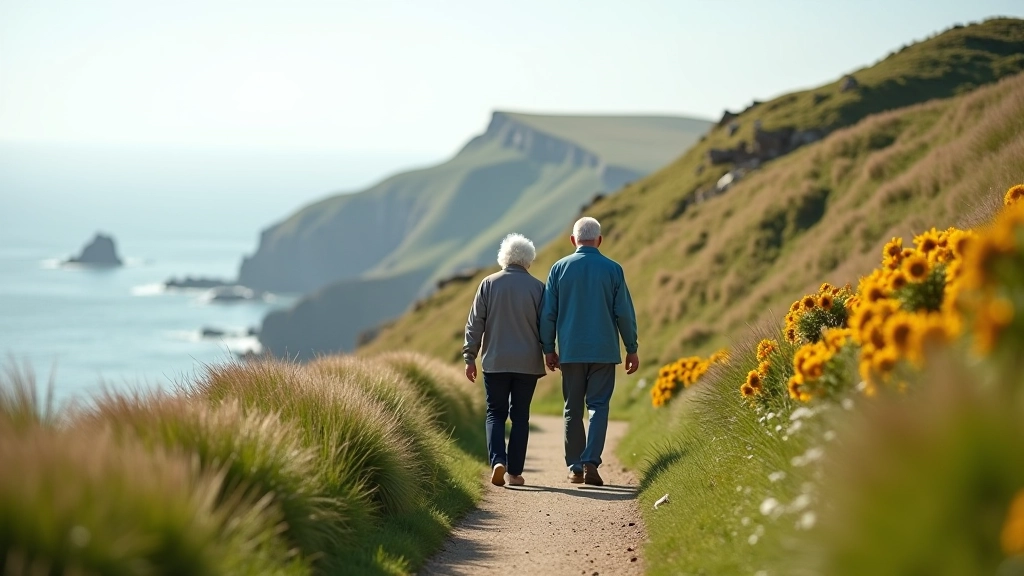
Don't let the word "cliffs" intimidate you. There's far more here than one dramatic drop. The main pathways are well-maintained and genuinely accessible — we're talking proper paving, clear markings, and safety railings where needed.
The O'Brien's Tower Walk takes about 20 minutes round trip from the visitor center. It's gentle, mostly flat, and rewards you with a 68-meter tower you can climb for views that stretch 26 kilometers on a clear day. Not everyone climbs the tower stairs — that's totally fine. The exterior grounds give you plenty to see.
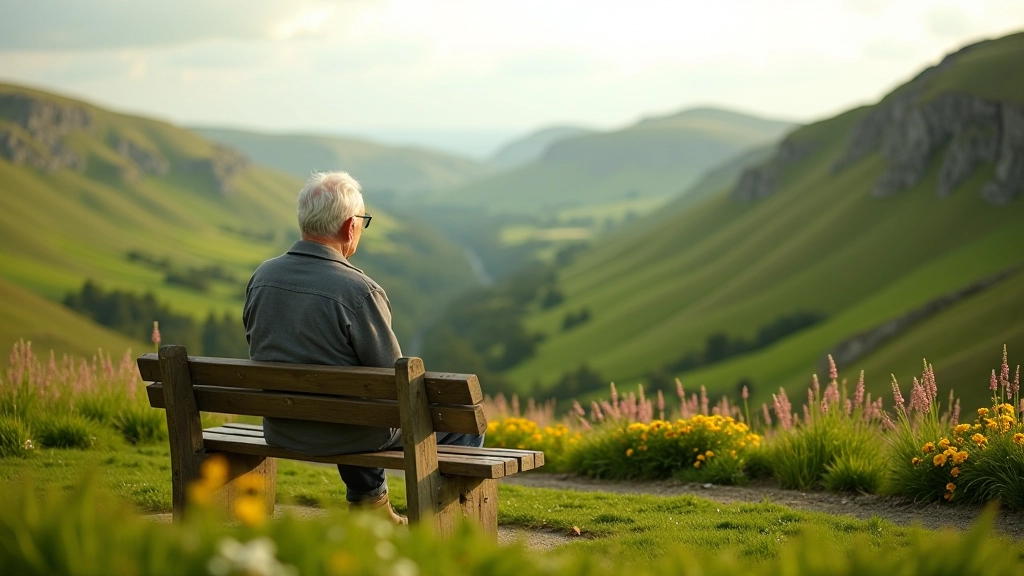
For something less strenuous, the Visitor Center Walk circles the grounds with benches positioned strategically. You'll get stunning cliff views without committing to a full hike. It's maybe 10 minutes at a comfortable pace, and you can pause as often as you like.
The Cliff-Edge Trail runs north and south from the main center. North takes you along increasingly wild coastline — rougher underfoot, fewer people. South follows the Aileens and eventually reaches lower cliff sections. Both are doable at your own pace. The beauty is there's no "right" distance here. Walk as far as feels good, then head back.
What's Available at the Visitor Center
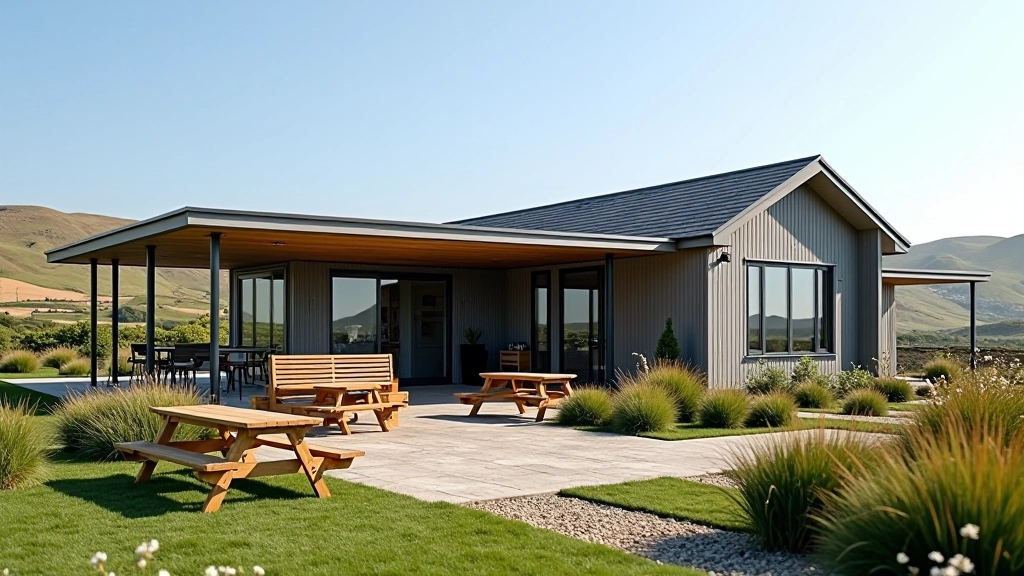
The visitor center isn't just a gift shop and café, though it's got both. There's a proper exhibition space inside that tells the geological and cultural story of the cliffs — how they formed, what lives here, what the area meant historically. It's interesting stuff, and it's all indoors with proper facilities.
Restrooms are clean and accessible. The café serves decent coffee and light meals — sandwiches, soups, pastries. Nothing fancy, but it beats eating whatever you've packed in your bag. They've got vegetarian options, and the staff understand dietary requirements.
Parking's free, which is nice. There's a bus service connecting the visitor center to Doolin village if you need it. Benches dot the pathways at regular intervals — there's genuinely nowhere you'll walk without a spot to sit within a few minutes.
The center's open year-round from about 9 a.m. to 5 p.m. (slightly extended in summer). Admission costs about €6, which includes access to the exhibition and facilities. That's reasonable for what you get.
Managing Weather and Visibility
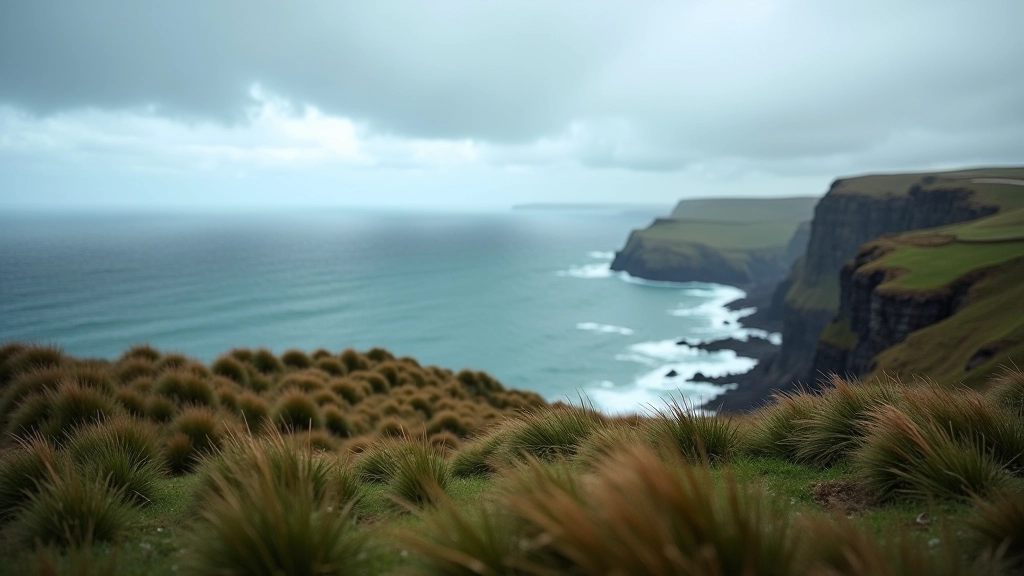
Here's the honest truth about Irish coastal weather: it changes. You'll get mornings that start overcast and clear into blue skies by afternoon. You'll also get afternoons where fog rolls in from the Atlantic and reduces visibility to 20 meters. That's just how it is.
Check forecasts before you go, absolutely. But don't cancel plans because of a 40% rain prediction. The Cliffs look different — sometimes better — in mist and moody light. Bring a waterproof jacket anyway. Wind's the bigger consideration than rain. On rough days, the paths are still safe, but it's genuinely windy enough to make walking tiring.
Visibility matters for the experience though. If you're coming specifically for the expansive views, aim for a day with decent forecast. Sunrise visits (summer only) mean you beat the crowds and often get clearer skies. Midday brings the most tourists but also typically the best visibility.
Bring layers. Always. The coast is cooler than inland, even in summer. A light sweater and windproof outer layer will make your visit genuinely comfortable rather than something you're enduring.
Practical Tips for a Better Visit
Proper Footwear
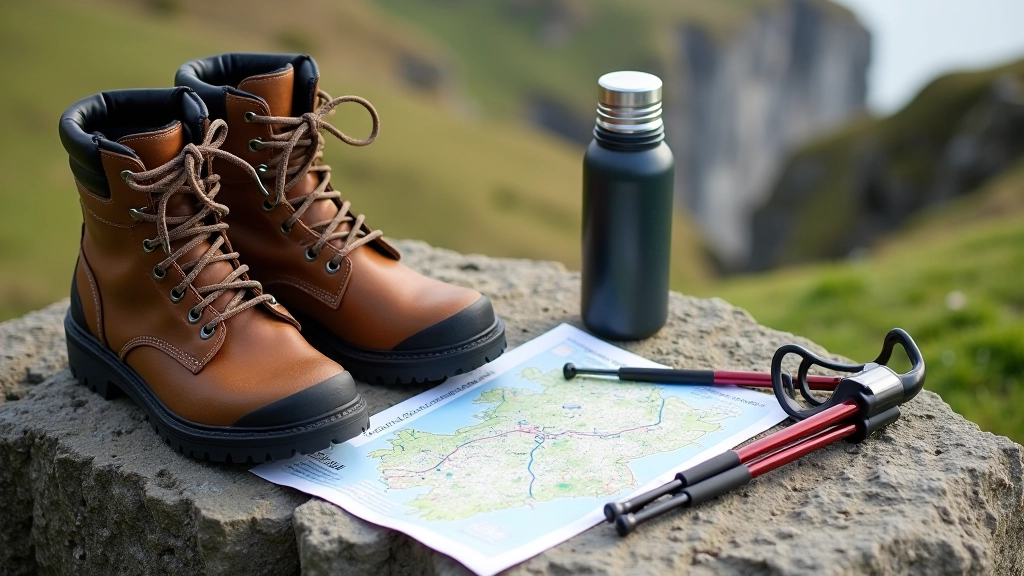
Forget dress shoes or smooth-soled sneakers. You want walking boots with decent grip. The paths are generally well-maintained, but grass can be slippery after rain, and stone has its own challenges.
Bring Water
The wind dehydrates you faster than you'd think. There's no water available along the pathways, so bring your own. A liter is reasonable for a couple hours walking.
Sun Protection
The reflection off the water and light-colored stone intensifies UV exposure. Sunscreen matters even on cloudy days. A hat helps too — both for sun and wind control.
Photography Tips
Arrive early to avoid crowds in photos. Late afternoon golden light (5-7 p.m. in summer) creates stunning conditions. Don't get so focused on the shot that you're not watching your footing near edges.
Allow Enough Time
You can see the main highlights in 2 hours, but you're not really experiencing them. Three to four hours lets you walk at a relaxed pace, sit at viewpoints, and actually absorb the place.
Mobile Reception
Coverage is spotty in places. Download offline maps if you're comfortable navigating that way. The main paths are marked clearly enough that you won't actually need GPS though.
Exploring the Surrounding Area
You don't have to limit yourself to the Cliffs. Doolin village is a 10-minute drive and has traditional Irish pubs with live music most evenings. It's genuinely good — the kind of place where musicians just start playing because that's what they do. The atmosphere beats the tourist-trap versions you'll find in bigger cities.
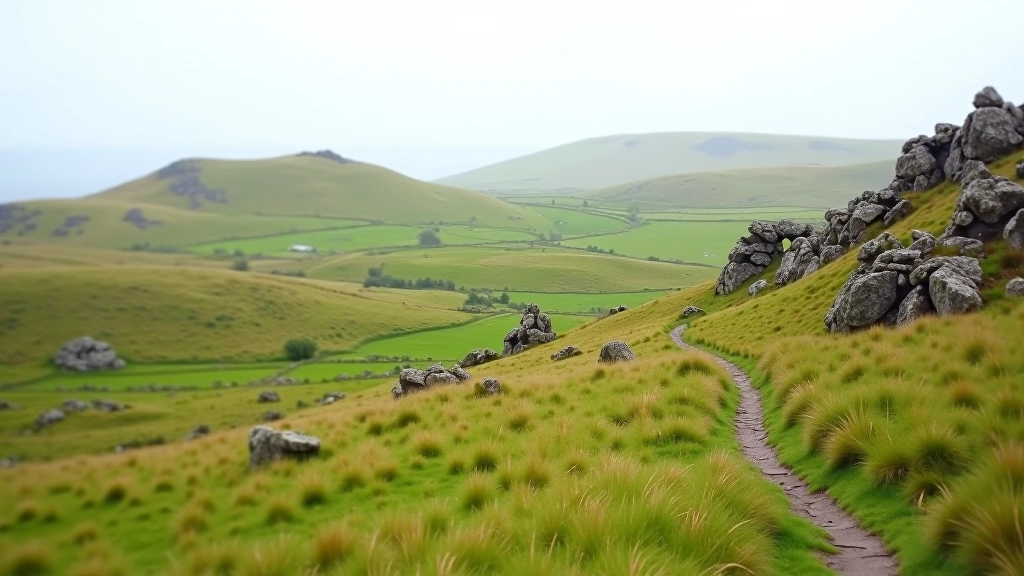
The Burren, that strange limestone landscape you've probably heard about, starts right nearby. It looks alien — bare stone hills with hidden valleys and wild flowers in season. There are walking routes suitable for all levels, from gentle trails to more challenging exploration. It's worth a half-day if you've got time.
Ennistymon, a few kilometers away, has a waterfall right in the village center and some nice restaurants. Liscannor offers quieter beach access if you want something different from cliff views. None of these are "must-do" additions, but they make for a fuller day if you're in the area.
Making the Most of Your Visit
The Cliffs of Moher aren't difficult to visit, and they're genuinely worth the trip. They're not just about standing on a high point and saying you've been there. They're about wind in your face, stone and sea below you, and something that feels genuinely ancient and real. You'll understand why people have felt drawn to this place for centuries.
Go early in your day if you can. Bring water. Wear proper shoes. Check the weather but don't cancel plans because of a forecast. And honestly? Spend time just sitting at a viewpoint. Watch the light change. Listen to the wind. Watch birds working the air currents. That's when the place actually gets into your bones.

Disclaimer
This guide provides general information about visiting the Cliffs of Moher and the surrounding region. Conditions, facilities, opening hours, and accessibility can change seasonally and without notice. We recommend confirming current details with the official visitor center or local tourism information before your visit. Weather conditions are unpredictable — always check forecasts and be prepared for changes. The pathways and cliff edges can be hazardous in poor weather or with reduced visibility. Exercise caution, follow posted safety guidelines, and wear appropriate footwear. Individual mobility and comfort levels vary — assess your own capabilities honestly before attempting any trail or activity. This information is educational and informational in nature and should not replace personal judgment or professional advice regarding your specific health and mobility circumstances.
Related Articles