Planning Your Visit to the Cliffs of Moher
Best times to visit, accessible pathways, facilities available, and what to expect when you get there.
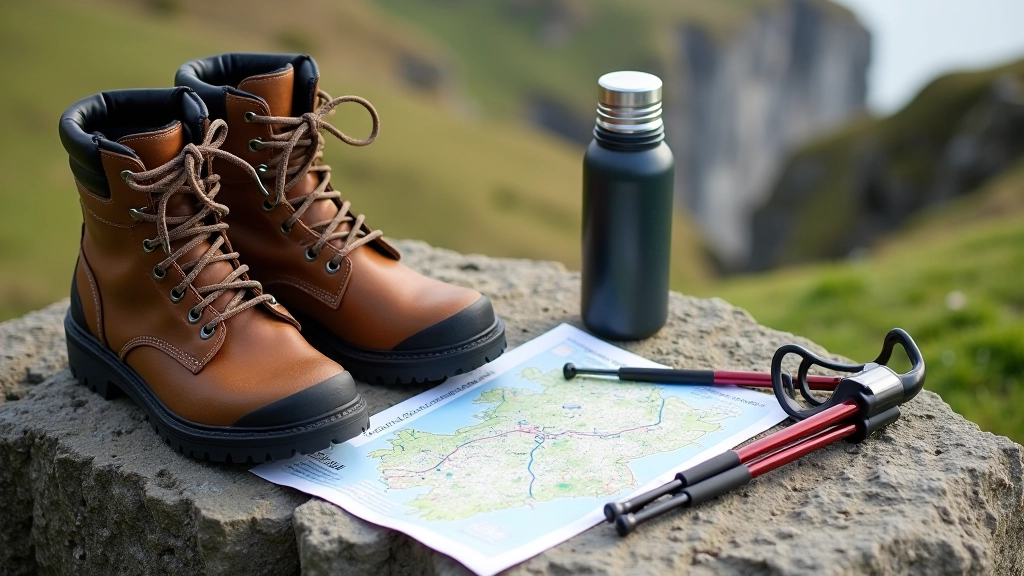
Getting your gear right makes all the difference. We've put together a complete packing guide so you'll stay comfortable on the trails, whether you're walking for an hour or the entire day.
You don't need fancy equipment to enjoy a good walk. But there are a few basics that'll keep you comfortable and safe. We're talking proper footwear, weather protection, and enough water to stay hydrated.
The key is thinking ahead. Ireland's weather changes quickly — you might start in sunshine and find yourself in drizzle within an hour. That's why layering works so well. You can add or remove pieces as needed.
Supportive shoes prevent blisters and foot pain
Layers and rain gear keep you dry and comfortable
Water keeps you energized throughout your walk
A comfortable pack distributes weight evenly
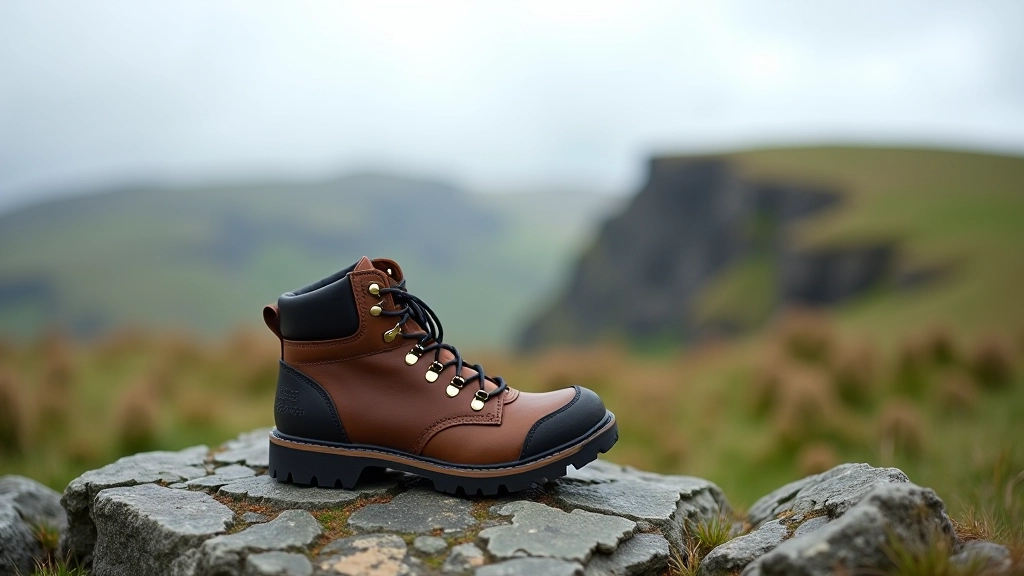
This is where it all starts. Bad shoes ruin a good walk — that's the honest truth. You'll want something with proper ankle support and a grippy sole for uneven terrain.
Look for walking shoes or lightweight hiking boots with cushioning. They don't need to be expensive, but they should fit properly. Wear them around your house for a few days before hitting the trails. Blisters are avoidable if you break them in first.
Merino wool socks are worth the investment. They're naturally antimicrobial, which means they don't smell as quickly. They also wick moisture away from your skin. Pack two pairs so you've got a backup.
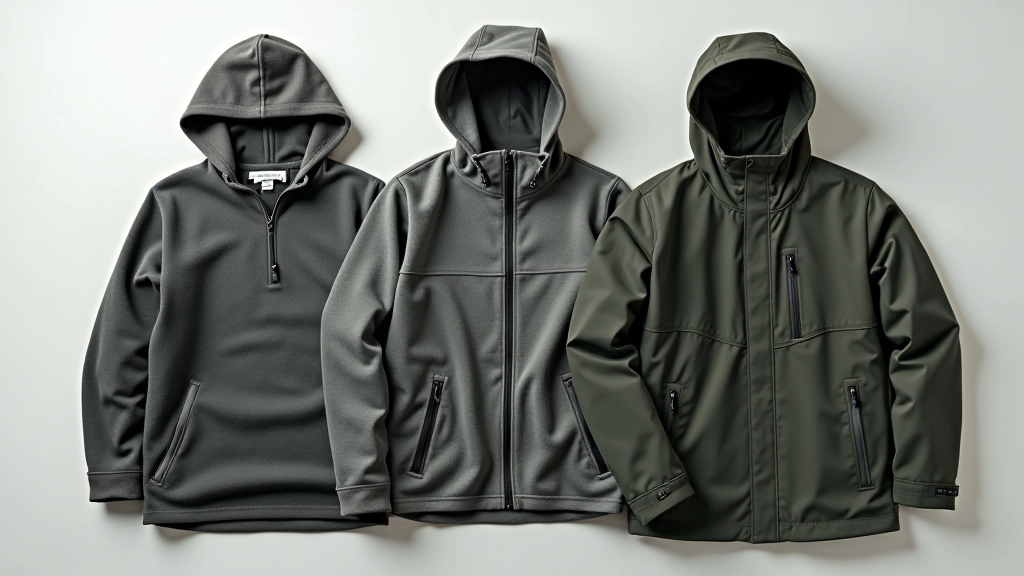
The golden rule: layers. Not one thick jumper, but three or four thinner pieces. That way you can peel things off when you warm up or add them back when you cool down.
Merino wool or synthetic. Cotton absorbs sweat and stays wet.
Fleece or lightweight sweater for insulation without bulk.
Waterproof jacket that breathes. You'll need this in Ireland.
Beyond the big things, there are smaller items that make a real difference. Pack smart, not heavy.
At least 1 litre. Drink regularly, not just when you're thirsty. A collapsible bottle saves pack space.
Download offline maps before you go. Your phone battery might die, but paper maps always work.
Sunscreen, hat, and sunglasses. UV damage doesn't feel like anything until later.
Trail mix, energy bars, fruit. Small, lightweight calories keep you going longer.
Blister plasters, antiseptic wipes, pain relief. Keep it compact but complete.
For emergencies and photos. A small power bank extends your battery life significantly.
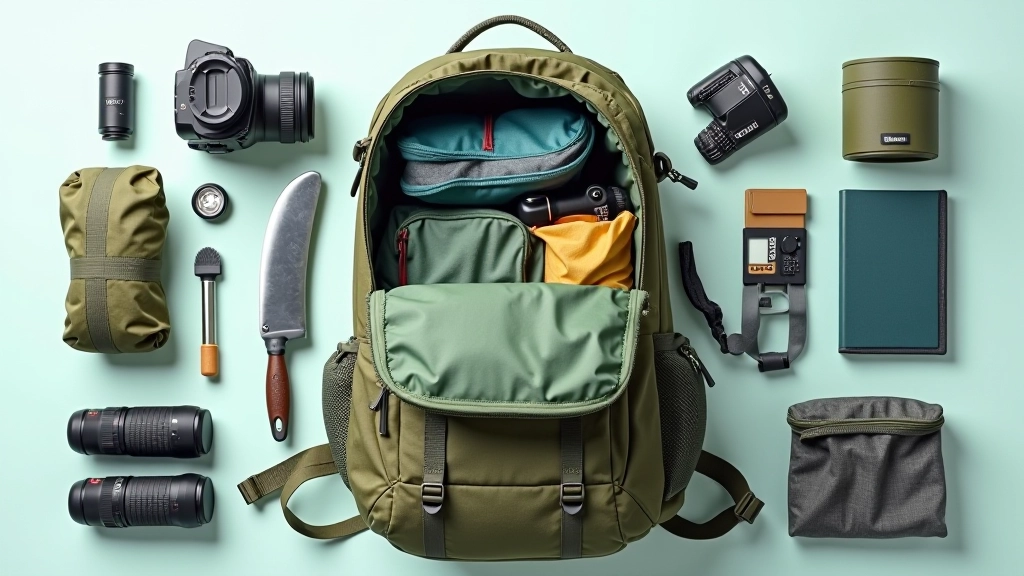
A poorly fitting bag will tire you out faster than anything else. Look for one with padded straps and a hip belt that actually transfers weight to your hips — not your shoulders.
For a day walk, 20-30 litres is plenty. It shouldn't weigh more than 4-5 kilograms even when packed. Pack heavier items close to your back and lower in the bag. Lighter things go on top and to the sides.
A waterproof bag cover is genius. It's cheap and means your stuff stays dry if the weather gets rough. Most bags have one built in, but a spare fits in your pocket.
"The best gear is the gear you'll actually wear. Fancy equipment means nothing if it sits at home because it's uncomfortable or too heavy."

A few last thoughts before you head out.
Look at the forecast, but don't trust it completely. Irish weather changes quickly. Pack for the worst-case scenario.
Do a shorter walk near home with your gear before attempting a full day out. You'll find what works and what doesn't.
You'll drink more than you expect, especially on sunny days. An extra bottle won't kill you.
Let a friend or family member know your route and expected return time. It's basic safety.
Good gear doesn't have to be expensive or complicated. It's about having the right basics that'll keep you comfortable and safe. Proper shoes, layered clothing, water, and a decent bag — that's really all you need.
Start with what you have. Upgrade as you discover what works for you. The more you walk, the more you'll understand your own preferences. That's how you build a kit that actually suits you instead of just following what someone else recommends.
The trails are waiting. Get yourself sorted and get out there.
This article provides general information about outdoor walking gear and preparation. Individual fitness levels, health conditions, and personal preferences vary. Before undertaking any outdoor walking activity, especially on challenging terrain, consult with a healthcare professional if you have any concerns about your physical capability. Weather conditions in Ireland can change rapidly — always check local forecasts and trail conditions before you go. Carry appropriate safety equipment and inform someone of your plans. The information here is educational and meant to support your planning, not replace professional advice or good judgment.