

Planning Your Visit to the Cliffs of Moher
Best times to visit, accessible pathways, facilities available, and what to expect on your day out at one of Ireland's most iconic natural attractions.
Read More
Discover the best places to pause, relax, and take in breathtaking views across Ireland's Burren and Cliffs of Moher region.
When you're out exploring nature, it's not about pushing yourself to exhaustion. It's about enjoying the journey at a pace that feels right. Rest areas aren't just benches on a path — they're thoughtfully placed stops where you can catch your breath, stretch your legs, and soak in the landscape around you.
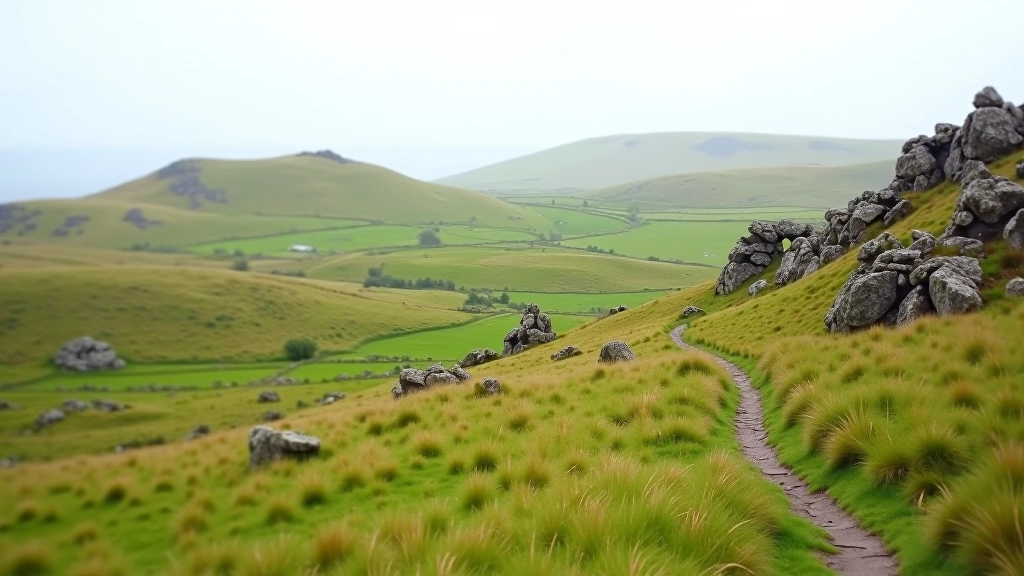
We've spent years walking these trails across the Burren and Cliffs of Moher region, and we've learned that the best outdoor experiences happen when you're comfortable. You'll discover spots with panoramic views, sheltered benches away from the wind, and places where you can sit quietly and listen to the landscape. Some are marked on official maps, others are local secrets worth finding.
Not all rest areas are created equal. Here's what to look for.
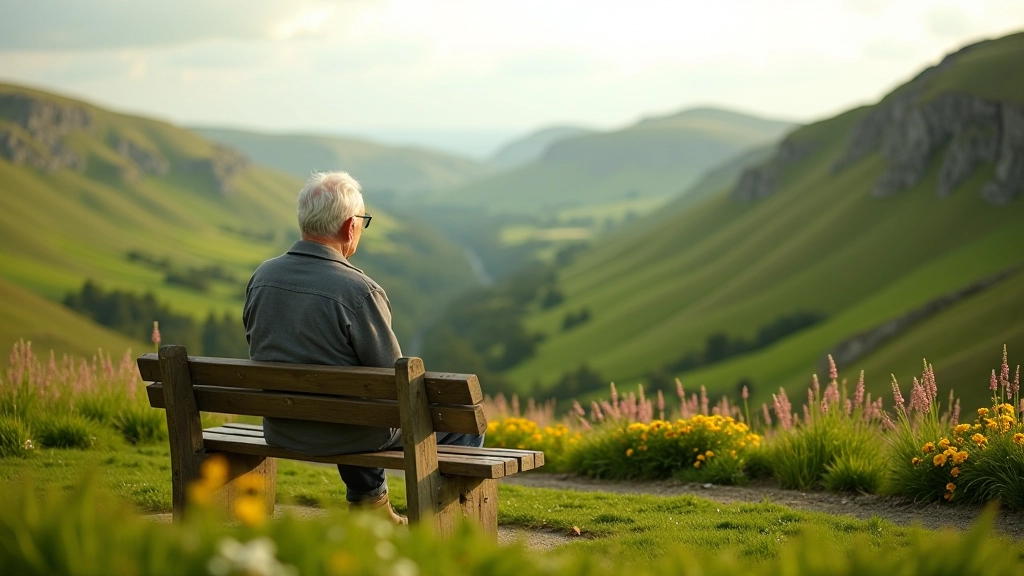
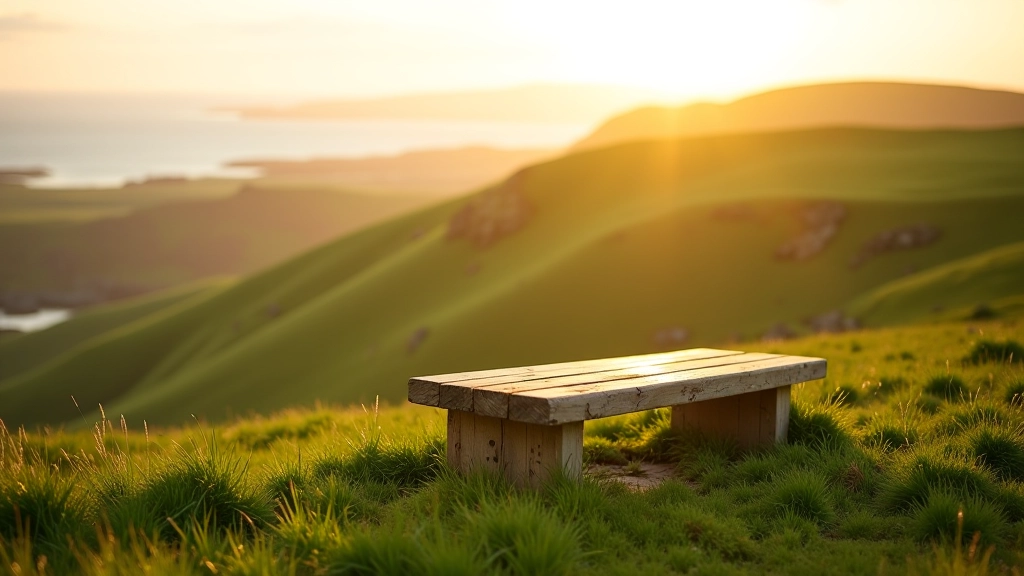
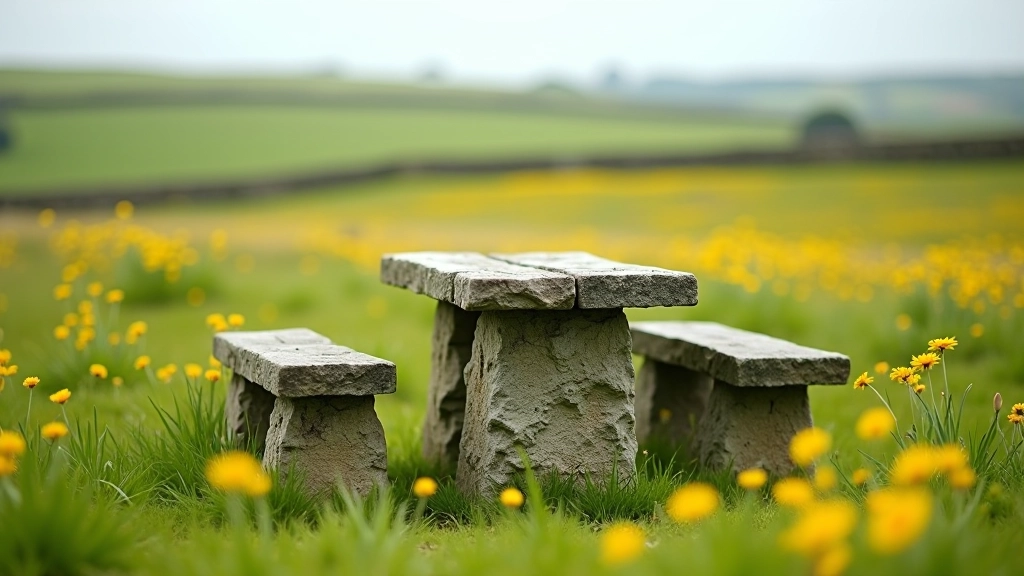
Proper benches with back support make all the difference. Look for seats that aren't sun-baked or damp, and ideally positioned so you're not staring directly into the wind.
The best rest spots offer something worth looking at. Whether it's coastal cliffs, rolling farmland, or limestone formations, a good view turns a break into a moment worth remembering.
Shelter from wind and rain matters more than you'd think. Some areas have natural windbreaks or small structures. Even partial protection extends your comfort significantly.
Rest areas shouldn't be hidden at the end of a difficult detour. The best ones are positioned naturally along main routes, roughly 20-30 minutes apart for comfortable pacing.
Some spots have natural water sources or facilities. Even without drinking water, proximity to a stream means you can refresh your face and refill if you've brought a bottle.
Trees or rock formations that provide shade aren't just pleasant — they're essential on hot days. Shade makes a 10-minute break genuinely restorative rather than just necessary.
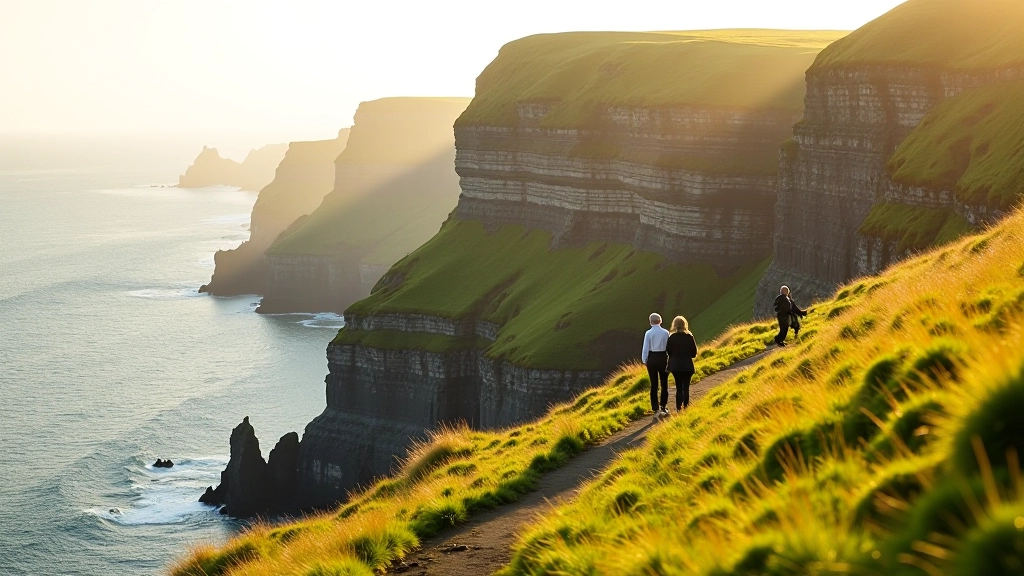
If you're walking established trails — like the Cliffs of Moher pathways or Burren loop routes — you'll find marked rest areas on official maps. These spots are maintained regularly and positioned strategically. The Cliffs of Moher visitor trails include roughly 8-10 designated rest areas spread across the main routes, each with benches and most with information panels.
The advantage of official rest areas is predictability. You know roughly where they'll be and what you'll find. They're also more likely to have facilities — bins, occasional water sources, or shelter structures. Many are positioned at viewpoints specifically chosen for their vistas. You'll notice they're never more than 25-30 minutes walking apart, which suits a comfortable pace.
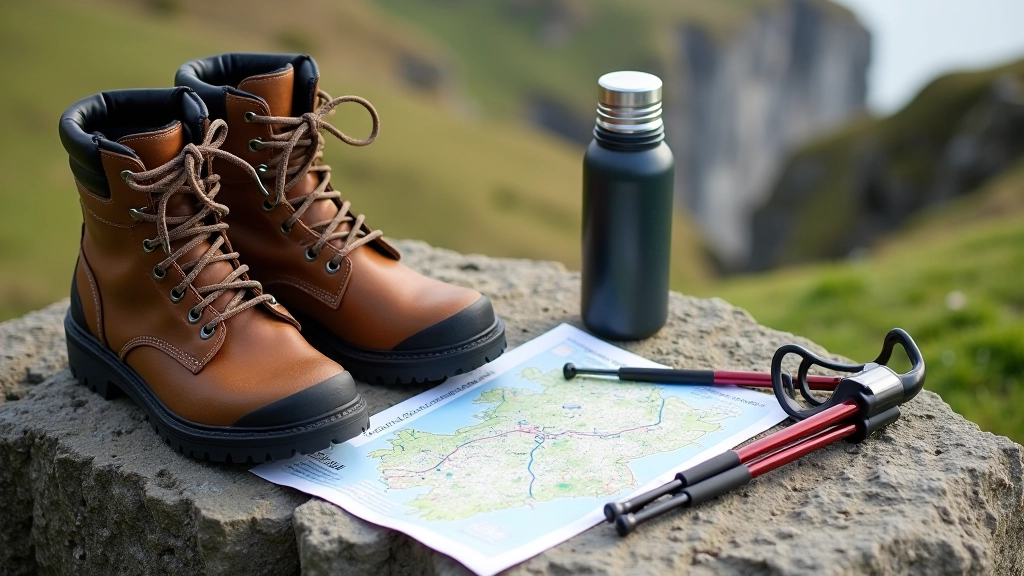
Download the trail maps before you go. Screenshot or print them. Official rest areas are marked clearly, and you'll know exactly how far the next stop is. This simple step removes uncertainty and lets you relax instead of worrying about distance.
Some rest areas are worth staying longer than a 10-minute breather. These are the viewpoints where you'll want to sit for 20-30 minutes, maybe bring a small snack, and just be present with the landscape. The Cliffs of Moher has several of these — particularly O'Brien's Tower area offers multiple vantage points, each with slightly different perspectives of the coast.
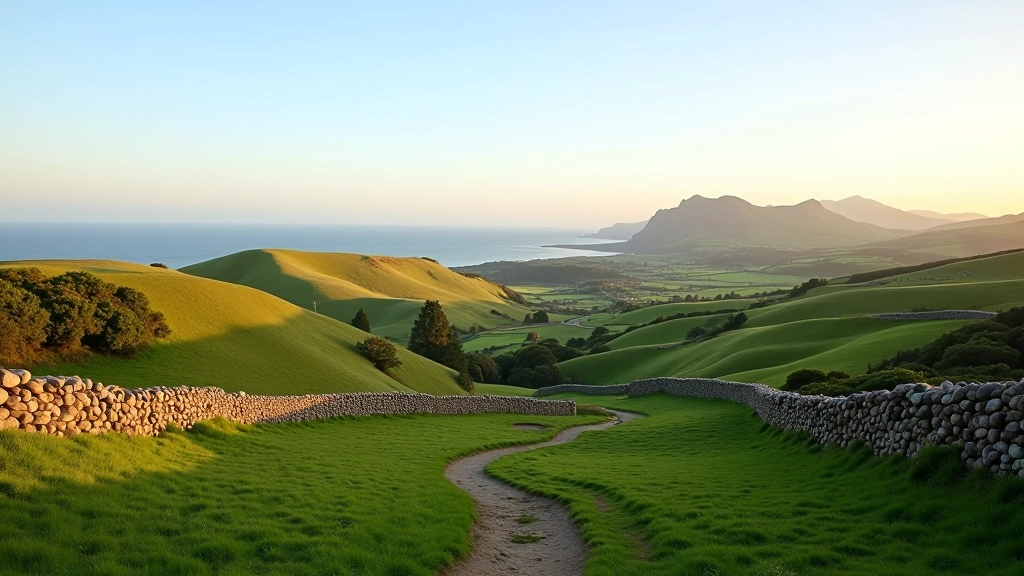
In the Burren, the viewpoints are often quieter. Places like Mullaghmore mountain area provide 360-degree views across green fields, stone walls, and distant mountains. These aren't crowded spots, which means you'll actually have space to sit and breathe. The best time to visit viewpoints is early morning or late afternoon — fewer tourists and better light for photography.
Smart route planning means building your walk around comfortable rest breaks. Instead of trying to hit a specific distance, plan based on rest stops. This changes your entire approach to walking outdoors.
Get the official trail map and mark where rest areas are located. Identify any gaps longer than 30 minutes — these might be challenging sections where you'll want extra energy.
Decide how far you want to walk between stops. Comfortable pace for seniors is typically 20-25 minutes of walking, then a 10-15 minute rest. Adjust based on terrain difficulty.
Choose a route where rest stops align with your comfortable walking distance. A 2-hour outing with three good rest points is more enjoyable than a longer walk with fewer stops.
Bring water, snacks, and perhaps a light jacket. If you know you'll rest at a particularly exposed viewpoint, bring something to sit on if the bench might be damp.
"The best walks aren't about distance covered — they're about moments enjoyed. Rest areas aren't breaks from walking; they're part of the experience."
This article is provided for educational and informational purposes only. While we've gathered information from local knowledge and trail experience, conditions and facilities at rest areas can change seasonally or due to maintenance. Always check current trail conditions before heading out, and verify that rest areas remain accessible. Weather conditions in Ireland's coastal regions can shift rapidly, so bring appropriate clothing regardless of the forecast. For specific accessibility requirements or detailed facility information, we recommend contacting local visitor centres directly. Our goal is to share helpful guidance — not to replace planning with official resources or local expertise.